Community Gathering Initiative
Farafenni · Ongoing
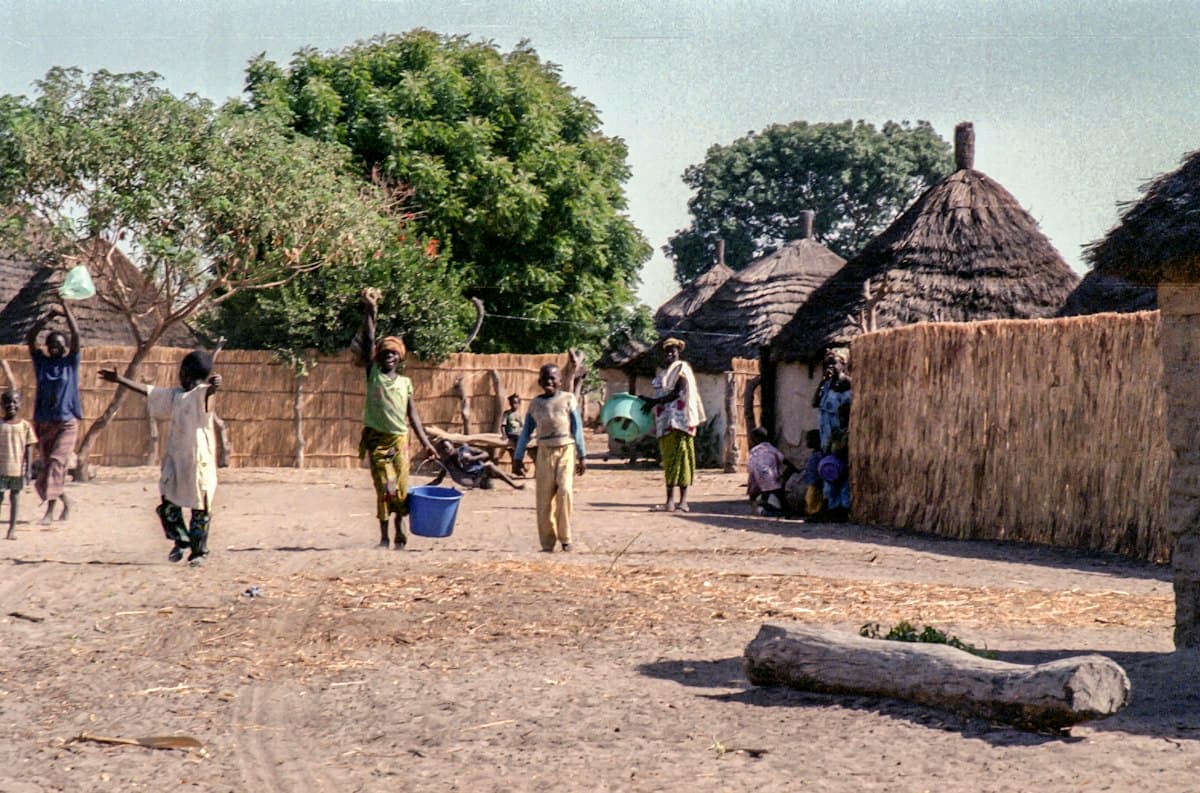
1. Executive Summary
The Community Gathering Initiative was designed to foster local civic engagement, strengthen neighborhood bonds, and provide an inclusive platform for community members to connect, share resources, and collaborate on local goals. This report outlines the framework, operational execution, outcomes, and recommendations for future iterations of the initiative.
2. Project Objectives
- Foster Connection: Create structured and unstructured spaces for residents of diverse backgrounds to interact.
- Resource Sharing: Provide workshops and informational booths addressing local health, education, and economic opportunities.
- Civic Engagement: Encourage collaborative problem-solving regarding local neighborhood priorities.
- Inclusivity: Ensure participation across all age groups, demographics, and accessibility needs.
3. Project Scope & Timeline
The initiative operated across a three-month lifecycle, divided into three distinct phases:
Phase
Timeline
Key Activities
Phase 1: Planning & Outreach
Weeks 1 – 4
Stakeholder meetings, venue booking, promotional material distribution, and volunteer recruitment.
Phase 2: Execution
Weeks 5 – 10
Weekly planning check-ins and the flagship multi-day Community Gathering event series.
Phase 3: Evaluation
Weeks 11 – 12
Data collection, stakeholder feedback analysis, financial reconciliation, and final reporting.
4. Key Activities & Execution
A. Community Outreach & Marketing
- Utilized digital channels, community bulletin boards, and local partnership networks to drive attendance.
- Distributed informational flyers translated into primary local languages to maximize accessibility.
B. Event Programming
- Opening Forum: A town-hall style introduction focusing on community goals and open-floor resident feedback.
- Workshop Series: Interactive sessions covering financial literacy, youth skill development, and environmental sustainability.
- Cultural & Social Segments: Open-air networking spaces, collaborative art installations, and family-friendly activities.
5. Outcomes & Impact Metrics
- Attendance: Reached an average participation rate of 85% of target capacity across all scheduled events.
- Feedback Ratings: 92% of surveyed participants reported feeling a stronger connection to their neighbors following the initiative.
- Resource Distribution: Over 500 informational resource packets were distributed to local households.
- Volunteer Engagement: Mobilized 25 active community volunteers who contributed upwards of 150 collective hours.
6. Challenges & Lessons Learned
- Logistical Constraints: Initial venue capacity limits required rapid adaptation to hybrid indoor-outdoor layouts.
- Outreach Barriers: Reaching isolated demographics required heavier reliance on door-to-door physical flyers rather than digital-only announcements.
- Takeaway: Future initiatives should establish broader community liaison networks earlier in the planning phase to streamline localized communication.
7. Recommendations for Future Projects
- Establish a Recurring Cadence: Transition the initiative from a single-project model to a quarterly or bi-annual recurring gathering.
- Expand Partnerships: Secure partnerships with local businesses and municipal entities early to secure additional funding and structural support.
- Enhance Digital Accessibility: Implement an online feedback portal alongside traditional paper surveys to capture broader post-event analytics.